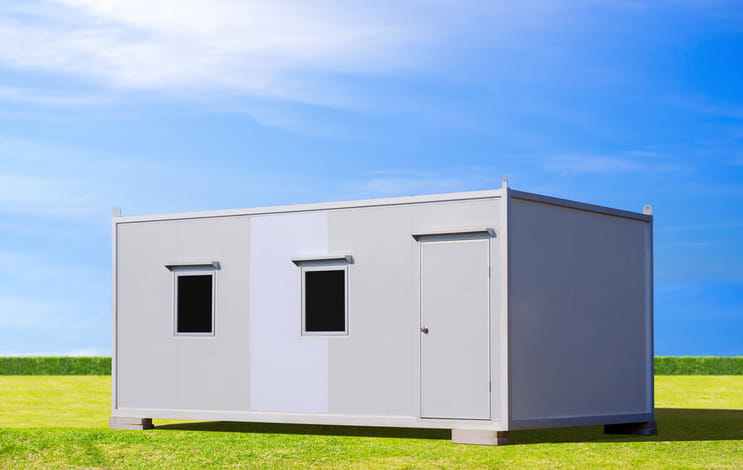
Modular architecture is a method of construction based on individual modules that are designed, manufactured and brought together to form a complete building. These modules can be repeated, adapted or combined in different ways, giving the finished structure flexibility without losing control over quality or design.
Knightsgreen Modular Consultants views modular architecture as a practical approach to building, rather than a passing trend. It allows a project to be planned around space, use and future change, while still delivering the speed and efficiency that make modular construction so valuable.
A Brief History Of Modular Architecture
Modular architecture has been around for longer than many people realise. It has been used in different forms for several decades, although it has not always had the same visibility as traditional construction within the wider architectural and building industries.
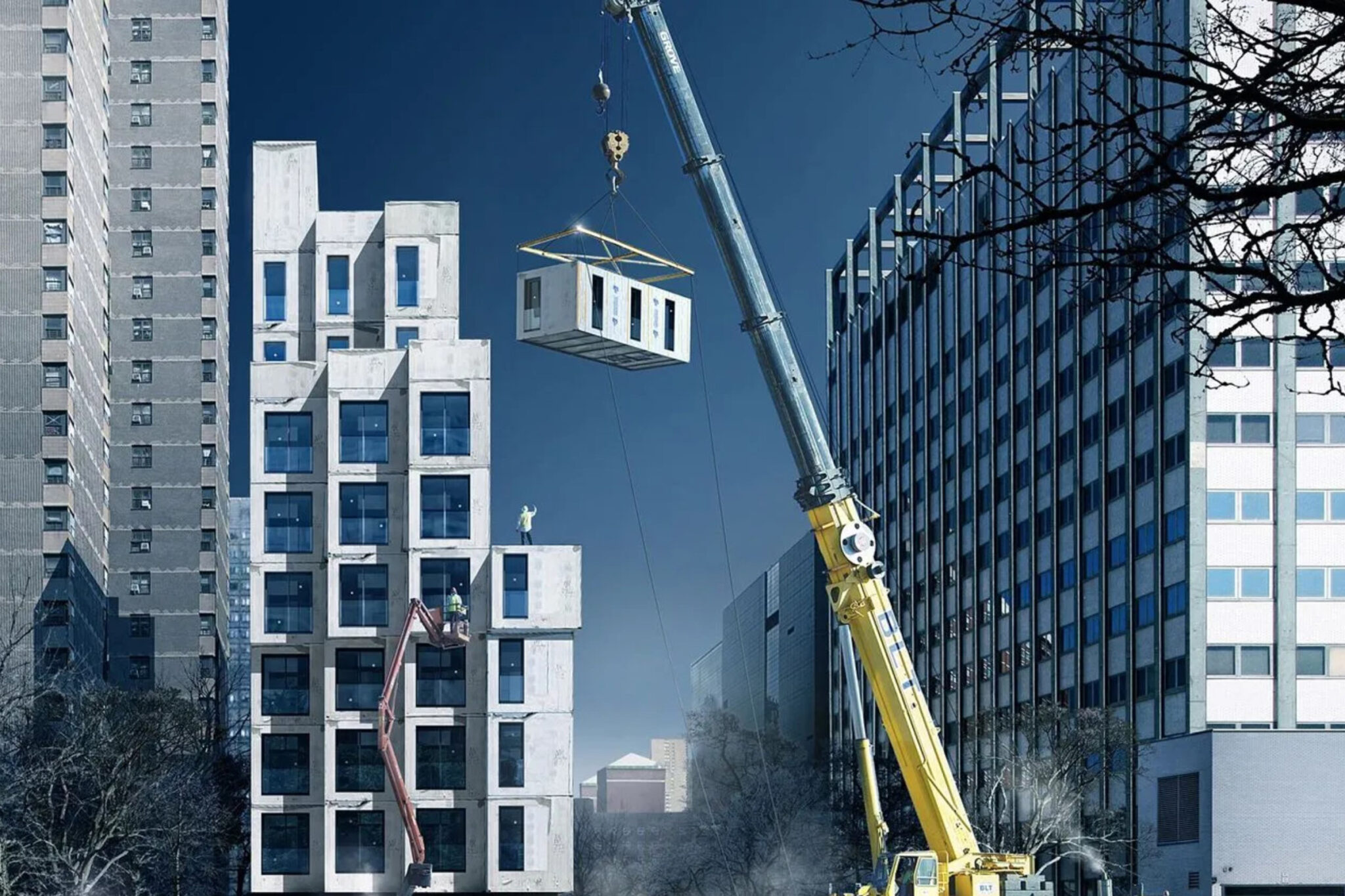
For many years, the construction market continued to rely on familiar materials, methods and site-based procedures. That made it harder for modular architecture to become firmly established, even though many architects and major building contractors were already recognising its potential.
Key developments in modular architecture include:
- The growth of modular housing, especially in the United States
- Wider acceptance of modular construction across Europe
- The use of factory-built modules for faster and more controlled delivery
- The development of multi-storey modular buildings
- Greater interest from architects, developers and public sector clients
- More focus on sustainability, speed and reduced site disruption
- The move from basic jackleg units to more advanced modular buildings
I have personally been involved in modular construction for over three decades and have seen the sector develop significantly. The industry has moved from simple site jackleg units to complex multi-storey buildings, and the principle of modular architecture is now becoming more widely accepted across construction as a whole.
Who Is Modular Architecture For?
Modular architecture is suitable for organisations that need well-planned space without the delays and disruption often linked with traditional building work. It can support clients who need a new building quickly, need to expand an existing site or need a more flexible way to manage future space requirements.
It is often used by schools, healthcare providers and commercial organisations because it can be tailored around specific operational needs. A modular classroom, office, or healthcare facility can be designed to suit the people who use the building each day, while still allowing the project to move forward efficiently.
This approach is also useful where conventional construction would be difficult. Since modules are manufactured independently and delivered to the site, modular architecture can help projects progress in locations where access, timescales, or site conditions may pose challenges.

What Are The Benefits Of Modular Product Architecture?
Modular product architecture gives clients more control over how a building is designed, manufactured and adapted over time. Since each module is developed as part of a wider system, the building can be planned with future changes in mind, even when the project is already at an advanced stage.
The main benefits include:
- Faster construction times compared with many traditional building methods
- Less disruption on site because much of the work happens off-site
- Greater quality control through factory-based production
- More flexibility for future modifications or additions
- Improved customisation during the planning and design stages
- A more efficient route for projects with tight deadlines
- Strong potential for repeatable layouts and scalable designs
- Reduced complications on sites where traditional construction is harder to manage
Modular architecture retains the core benefits of traditional modular design while enabling greater architectural flexibility. The modules are designed as independent elements, then brought together to create a complete building that can serve a wide range of uses.
Is Modular Architecture Suitable For Temporary Classrooms?
Modular architecture can be a very practical option for temporary classrooms, especially when schools need extra teaching space quickly. Since the main building elements are manufactured off-site, installation can often be completed with less disruption to pupils, staff and the wider school day.
It can also support longer-term education planning. A temporary classroom does not have to feel like a compromise, as modular design can provide safe, functional and comfortable learning spaces that can be adapted, relocated or expanded if school requirements change.
Want To Know More? Contact Knightsgreen Modular Consultants Now
If you are considering modular architecture for a new building, an extension, or a temporary space, Knightsgreen Modular Consultants can help you understand the options available. We offer honest, independent advice based on decades of experience in modular construction and a clear understanding of how these projects work in practice.
Speak to our team today to discuss your project and find out how modular architecture could support your plans. We will help you move from early idea to practical next steps with clear guidance and a straightforward approach.